Reflections on handling the energy transition
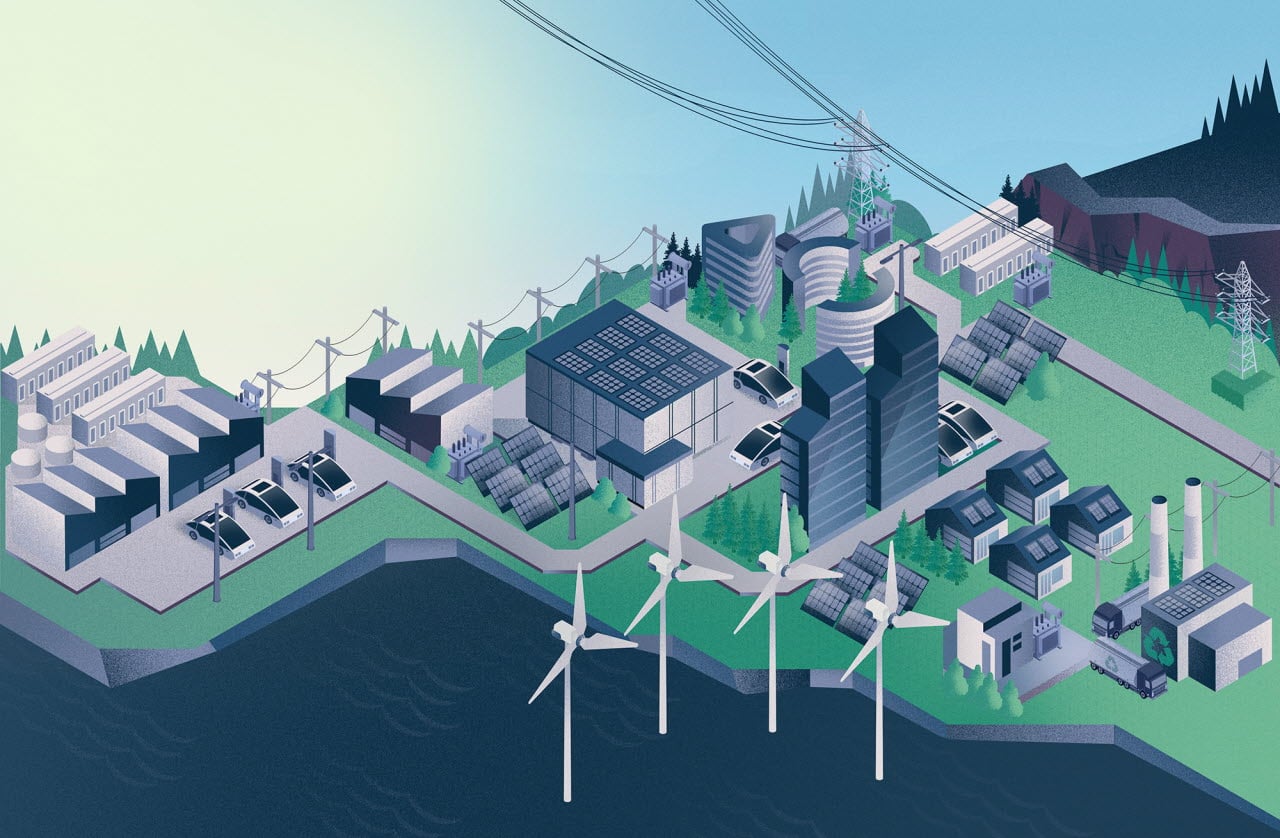
Electrification accelerates demand, adds system complexity and increases stress on ageing grids and infrastructure. Three industry experts share their thoughts on how innovation, collaboration and advanced materials enable stronger grids, higher reliability and a more sustainable power system.
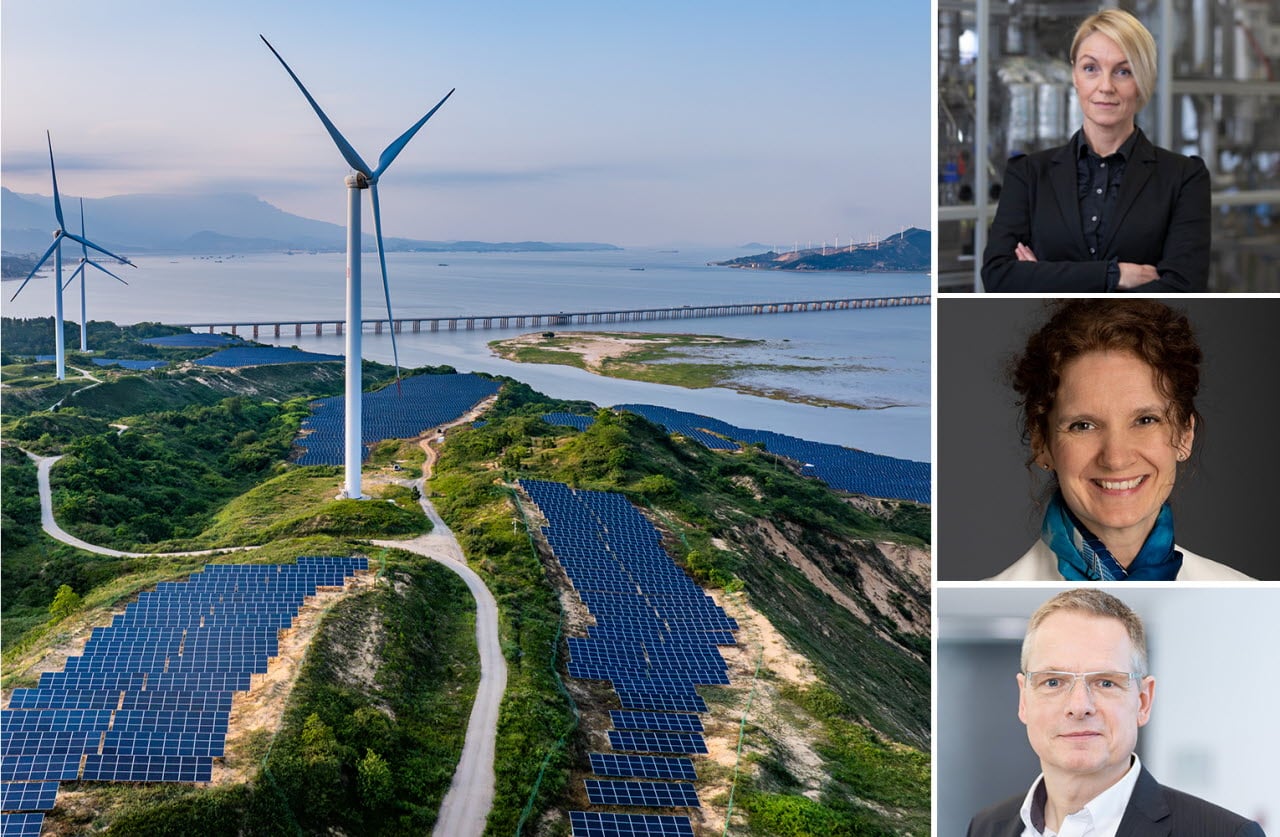
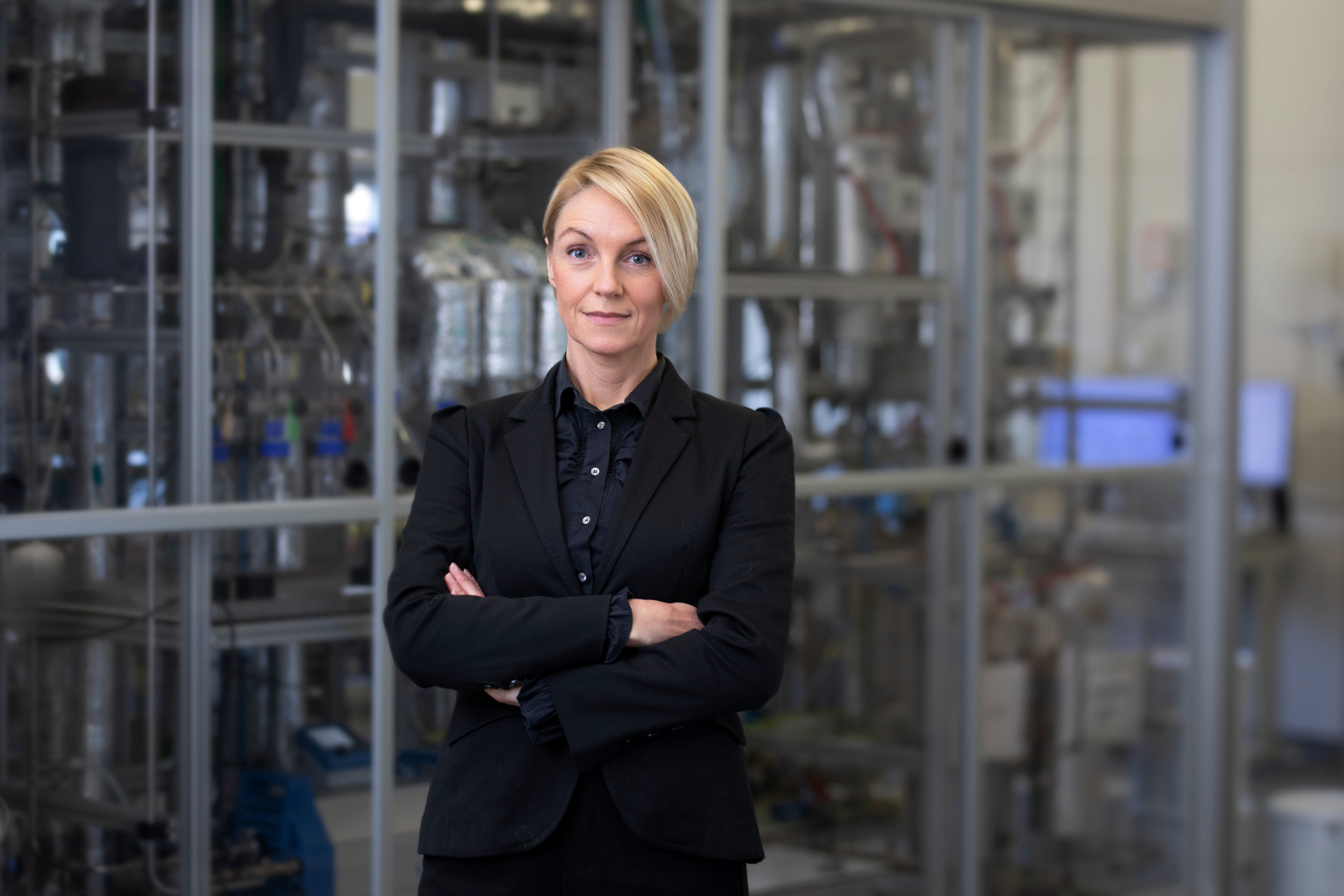
Anna Eriksson
Company: Nynas AB
Title: Marketing Manager Naphthenics
Background: M.Sc. in Chemical Engineering from KTH Royal Institute of Technology, Stockholm. Held various positions in Nynas since 2006, covering product development, quality, customer support, research, applicationspecific education and marketing.
“The power system of the future requires more than increased capacity”
"Electrification is accelerating globally, while power systems are operating closer to their technical limits. At the same time, the rapid expansion of renewable generation is fundamentally changing system behaviour.
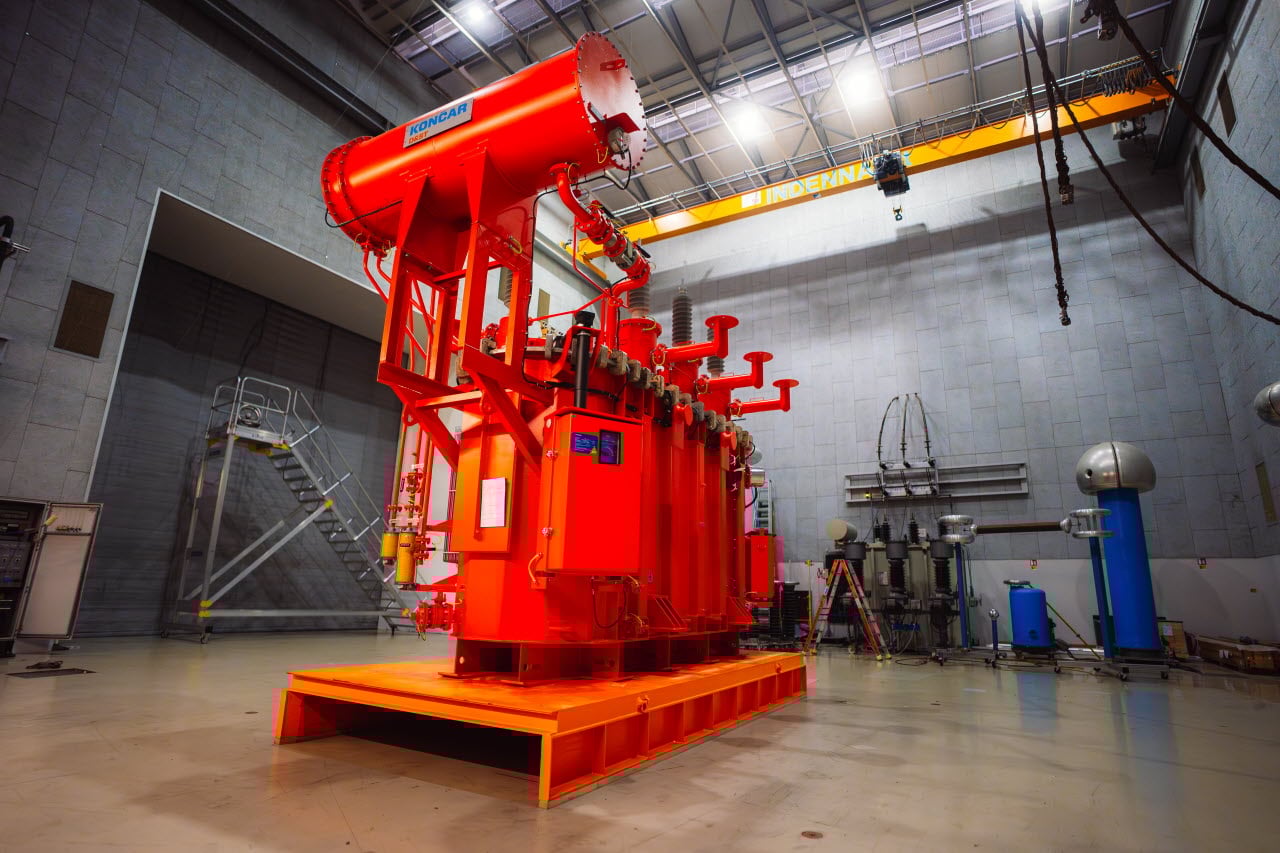
The reduced inertia of wind and solar-based power, combined with fluctuating production, challenges traditional frequency stability and places higher demands on grid control and resilience. New elements such as battery energy storage systems, power electronics and specialty transformers further increase system complexity and expose critical assets to new electrical, thermal and chemical stresses.
These developments mean that the power system of the future will require more capacity. It depends on components and materials designed for higher performance, robustness and predictability under increasingly dynamic operating conditions. For transformer fluids, this translates into a need for improved dielectric strength, thermal stability, oxidation resistance and long-term reliability, even in environments with harmonics, disturbances and higher cycling loads.
At Nynas, we are committed to supporting this transition by continuously advancing transformer liquid performance while reducing environmental impact. Sustainability is a core part of our strategy, with a clear ambition to increase the share of sustainable products and enable a more resilient, efficient and sustainable power system.”
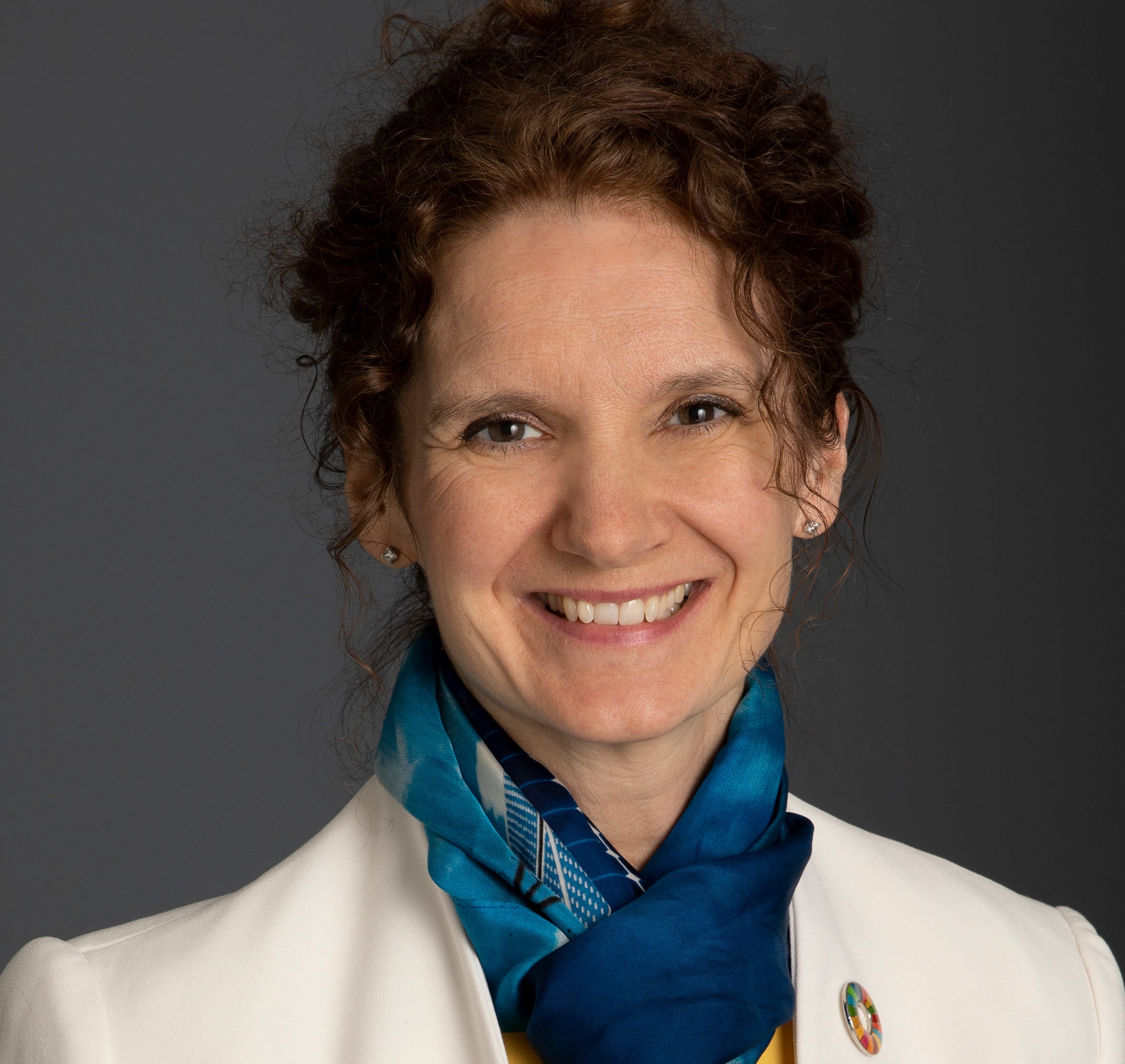
Lina Bertling Tjernberg
Company: KTH Royal Institute of Technology, Stockholm
Title: Professor of Power Grid Technology
Background: Director of the KTH Energy Platform; Deputy Head of the School of Electrical Engineering and Computer Science; Fellow of the Royal Swedish Academy of Engineering Sciences.
“Digitalisation and automation enable more efficient power system operation”
"Electrification entails a sharp global increase in demand for fossil-free electricity and has become a societally critical issue. Key drivers include the decarbonisation of transport and industry, rapid AI development with energy-intensive data centres and the need to expand electricity access in growth regions such as Africa. Access to electricity and water is fundamental to stable societies, and inadequate supply risks contributing to conflict.
Meeting continued electrification requires clear, long-term policy frameworks. Experience from Sweden and the rest of Europe shows that lack of continuity in energy policy hampers planning and investment. Markets can drive technological innovation but require stable rules; in some cases, public responsibility for infrastructure development is necessary.
On the supply side, both new nuclear power and the continued deployment of large-scale wind power will play important roles. Digitalisation and automation enable more efficient power system operation, while increasing system complexity places higher demands on coordination and control. Reliability and flexibility of the power system are essential for efficient resource use and active consumers. Enhanced cooperation within the EU is necessary to ensure long-term energy security.”
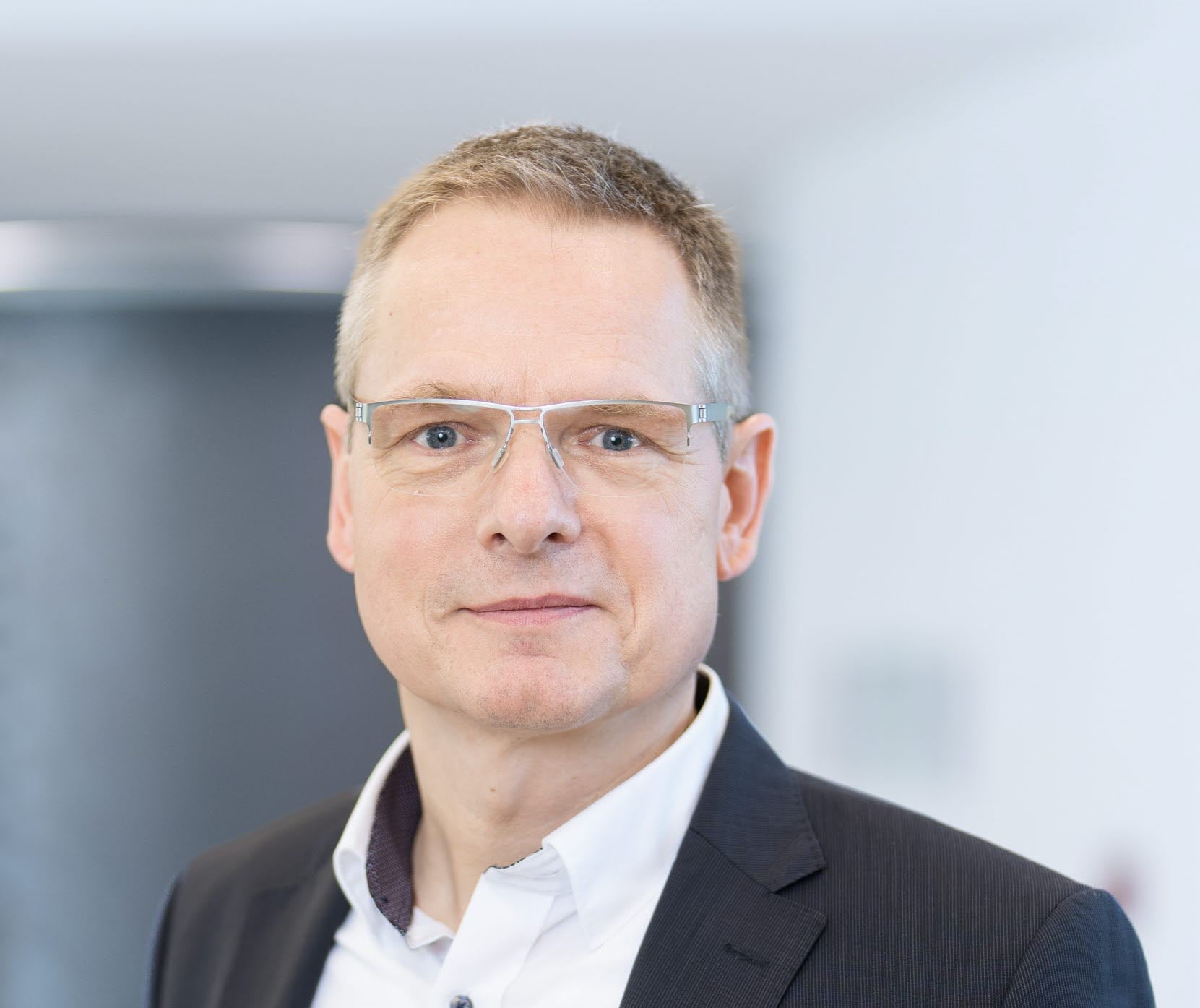
Dirk Averesch
Company: Siemens Energy
Title: Program Manager – Decarbonization of GT Supply Chain
Background: More than 20 years of experience within Siemens Energy and Siemens, working across a wide range of areas in power transmission and communication technology.
“Innovations in steel, copper and insulating oil are key levers”
"Meeting rising electrification needs without compromising sustainability requires transparency, trust and reliability in how ‘sustainability’ is defined. Customers must be confident that sustainability parameters are fulfilled and verifiable, requiring clear standards such as ISO norms and consistent calculation rules for carbon and environmental footprints in lifecycle assessments.
Increasing the availability of sustainable products takes time, as operational processes must be adjusted and investments made. Political frameworks should also incentivise their use, supporting rather than constraining market mechanisms.
From a transformer material perspective, innovations in steel, copper and insulating oil are key levers for improved sustainability. While reducing carbon footprint remains a priority, addressing resource depletion and increasing recycled material content are equally important. Product decarbonization, higher recycled shares and closing material loops are central to Siemens Energy.
Our ambition is to offer sustainable materials and products with the same quality as standard solutions, while also addressing issues such as water and soil pollution and biodegradability for oil. We value partners like Nynas for their innovation and support on our decarbonization journey. As we continue along this path, sustainability targets remain stable and increasingly embedded in standard processes, reflecting our ambition to lead the industry.”